The Founding Story That Could Not Be Manufactured
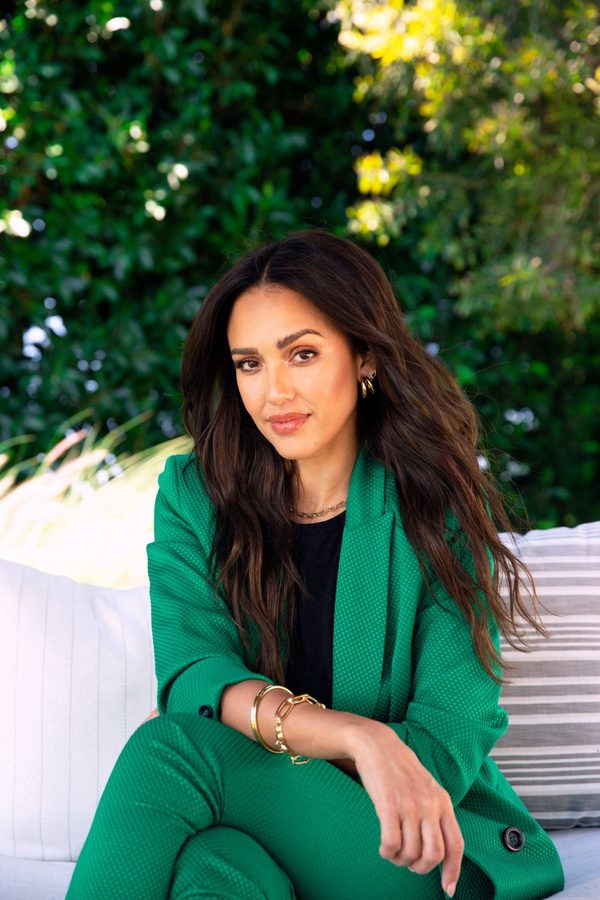
In 2008, Jessica Alba was preparing for the birth of her first child and encountered a problem that millions of parents face and most do not articulate as a market opportunity: she could not find personal care and household products she trusted to be genuinely non-toxic for a newborn. The ingredients in mainstream baby soap, laundry detergent, and household cleaners were inadequately disclosed, ambiguously labeled, and largely unregulated under existing cosmetics law. She wanted clean. She couldn't find it. She decided to build it.
The Honest Company launched in 2012 with co-founder Brian Lee and a product line spanning diapers, wipes, personal care, and cleaning products — all built around a transparency-first formulation philosophy that disclosed every ingredient, avoided a defined list of harmful chemicals, and positioned safety for families as the brand's reason to exist. The company obtained B-Corp certification in 2012, at a time when "clean beauty" was not yet a mainstream consumer category and B-Corp certification was an obscure credential that required explaining to most retail buyers.
Simon Sinek's Start With Why framework — published in 2009, widely influential through the 2010s — describes exactly what Alba built without having read the framework. Honest did not sell soap. It sold the assurance that the soap would not harm the family using it. The product was the delivery mechanism. The "why" — safety, transparency, trust — was the thing customers were actually purchasing. Every competitor could match the product. No competitor could replicate the founding story that gave the "why" its authenticity.
Ahead-of-Curve Positioning and What It Cost
The Honest Company's B-Corp certification in 2012 was not a marketing strategy — it was a values statement that happened to anticipate a market shift by approximately five years. Clean beauty became a mainstream consumer priority around 2015–2017, driven by social media awareness of ingredient concerns and a generational shift in how millennial parents approached product purchasing decisions. By the time the category emerged as commercially significant, Honest had been operating with clean formulations and full ingredient transparency for three to five years.
This ahead-of-curve positioning created two commercial outcomes that are worth examining separately. The first was genuine competitive advantage during the category's growth phase — Honest's formulation commitments were not retrofitted to match a trend but were foundational to the business, which gave the brand a credibility that late entrants could not quickly acquire. Retailers and consumers who cared about clean were more likely to trust a brand that had been doing it since 2012 than one that pivoted to clean labeling in 2017.
The second outcome was the cost of being early: the market education required to build the clean beauty category in its pre-mainstream phase was expensive. Honest spent years explaining to consumers why conventional products were problematic and why transparent formulation mattered — work that ultimately benefited the entire category, including competitors who entered after the education was complete. Being first is valuable. It is also expensive in ways that later entrants do not bear.
The IPO in May 2021 at a $1.44 billion valuation represented the market's recognition of what Honest had built — a branded platform in a category that had become one of the fastest-growing segments of consumer goods. Alba's equity position at IPO was meaningful, and the public market recognized the brand's category leadership with a valuation that reflected more than the company's current revenue.
What Went Wrong After the IPO
The post-IPO trajectory of Honest Company stock — from a peak near $23 to a $3–4 range by late 2022 — is a case study in the difference between a powerful brand and a resilient business. The brand "why" remained intact throughout. Customers still trusted the Honest story. The formulation philosophy remained credible. Alba's founding narrative did not lose its authenticity. What faltered was the operational infrastructure.
Supply chain disruptions in 2021 and 2022 — amplified by the same global logistics pressures that hit every consumer goods company during the post-pandemic period — hit Honest harder than more operationally mature competitors because the company's supply chain had been built for growth rather than resilience. Product availability issues in key retail accounts created out-of-stock situations that trained consumers to look for alternatives, some of whom did not return when availability normalized.
A product reformulation controversy in 2016 — where sunscreen products were found by independent testing to provide less protection than labeled — had created a legacy trust vulnerability that resurfaced in investor conversations during difficult quarters. The incident was resolved operationally, but it illustrated the fragility of a brand whose primary competitive asset is trust: a single credible challenge to product integrity creates disproportionate brand damage because the brand promise is so specifically about that integrity.
Category competition intensified as incumbents with vastly larger operational infrastructure pivoted to clean positioning. Procter and Gamble's clean beauty pivot brought manufacturing scale, retail relationships, and marketing budgets that Honest could not match in the channels where the two companies competed. The brand "why" remained Honest's advantage — P&G's clean pivot was visibly corporate and reactive — but the operational gap in distribution capability and margin structure created real commercial pressure.
Goop vs. Honest: Two Surviving 'Whys'
The comparison between Honest Company and Gwyneth Paltrow's Goop is instructive precisely because the two brands share a founding philosophy — clean living, ingredient transparency, consumer empowerment around health and wellness — and have taken completely different strategic paths to survival.
Goop went aspirational luxury from the beginning. The brand positioned itself not as accessible family wellness but as the aspirational version of a wellness-conscious life — the version for people who buy $90 candles and take wellness retreats in Sedona. This positioning was widely mocked and periodically created regulatory and credibility challenges (the jade egg episode being the most documented), but it also created a customer base with extremely high lifetime value, low price sensitivity, and strong brand affiliation. Goop customers are not deterred by controversy; they are often attracted by it, because the edginess validates their sense of belonging to a community that thinks differently.
Honest chose accessible family positioning — the clean brand that real families could afford and access at Target. This was a larger addressable market but also a more competitive one, with thinner margins, more price sensitivity, and greater vulnerability to operational disruptions that affect shelf availability.
Both companies survived difficult periods by returning to their founding "why" rather than pivoting away from it. Goop doubled down on aspirational wellness when under pressure. Honest rebuilt its operational infrastructure around the transparency commitment that had defined the brand from day one. The lesson in both cases is the same: the founding story is the moat. When operations falter, the story holds the customer relationship. When the story is compromised, nothing operational can repair it.
Alba's Second Act and the Floor That Operations Provides
The period from 2022 to 2024 at Honest Company was characterized by operational rebuilding — supply chain rationalization, SKU reduction to focus on the highest-performing categories, improved margin structure, and a return to the brand's core formulation commitments after a period of rapid expansion that had diluted the portfolio's focus. Revenue stabilized. The brand's retail relationships recovered. The operational floor that the IPO period had exposed as insufficient was rebuilt with the benefit of painful experience.
Alba's role through this period was as much operational steward as public face — engaging with supply chain decisions, formulation reviews, and retail strategy in ways that went beyond celebrity brand oversight. The founder-operator orientation that had made Honest credible at launch was the same orientation that navigated the recovery.
The Honest Company case ultimately establishes two complementary lessons for celebrity brand founders. The founding story — the authentic "why" rooted in personal experience — is the irreplaceable asset, the thing that no competitor can manufacture and no operational difficulty can permanently destroy. And operational infrastructure — supply chain resilience, formulation integrity systems, retail relationship management, financial controls — is the floor beneath the brand story, the mechanism that determines whether a great brand idea becomes a great business. The founding story without operations is a vision. Operations without the founding story is a commodity. The combination is a brand.